Why Property Owners Trust Richland Tree Cutting Services
Why Property Owners Trust Richland Tree Cutting Services
Blog Article
Expert Tree Cutting Services: Secure and Reliable Tree Removal Solutions
Effective tree trimming services are essential to preserving the health and safety of outdoor spaces. These professional solutions guarantee that tree removal is conducted safely and in compliance with local regulations. By evaluating tree health and identifying potential hazards, experts prevent risks associated with tree removal. Understanding the significance of these services can lead homeowners to make informed decisions about their landscapes. What factors should one consider before choosing a tree cutting service?
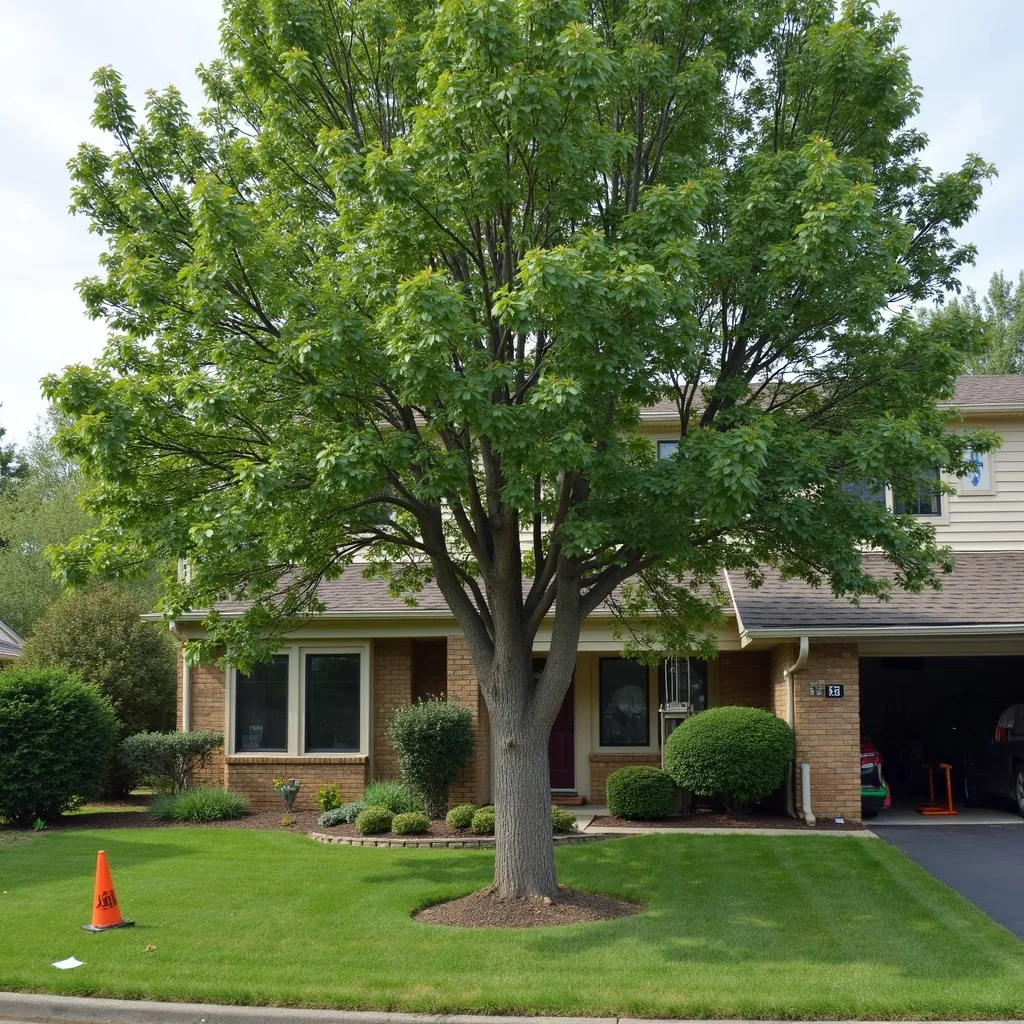
Why Pick Qualified Tree Cutting Services?
When evaluating tree maintenance, many homeowners recognize the positive aspects of engaging professional tree cutting providers. These skilled technicians hold the necessary skills and tools to tackle complex assignments efficiently and safely. Their qualifications assures that they can assess the health of trees and determine the best course of action, whether for pruning or full takedown. Additionally, experts are well-versed in local requirements about tree cutting, avoiding possible lawful problems for homeowners.
Moreover, safety is a considerable concern, as tree cutting can pose risks if not carried out correctly. Professional services are equipped with protective gear and observe safety guidelines to minimize accidents. They also have indemnification, extending coverage against potential damages. By choosing professionals, homeowners can preserve time and reduce stress, letting them to focus on other priorities. Ultimately, contracting expert tree cutting services certifies a thorough, safe, and efficient approach to tree servicing.
The Advantages of Safe Tree Removal for Your Yard
Responsible tree removal presents many benefits for bettering a landscape. By removing unsafe or unattractive trees, property owners can boost aesthetic appeal and ward off potential damage to structures. Additionally, eliminating unhealthy trees encourages the overall health of surrounding plants, cultivating a vibrant ecosystem.
Enhances Outdoor Space Appearance
Tree removal can considerably improve the aesthetics of a landscape, converting an overgrown or cluttered yard into an attractive outdoor space. By clearing dead or diseased trees, homeowners enhance light penetration, which helps grass and other plants to thrive. This not only supports healthier plant life but also creates a more open and inviting space. Additionally, removing unwanted trees can showcase desired features such as gardens, pathways, or architectural details, refining the overall landscape design. A well-kept yard fosters a sense of order and calm, making it more pleasant for residents and guests alike. Ultimately, safe tree removal acts as a vital step in raising the visual appeal of any property, helping to create a cohesive and attractive outdoor setting.
Prevents Real Estate Destruction
Removing troublesome trees can significantly prevent property damage and protect valuable investments. Over time, trees that are diseased, injured, or poorly located may pose serious risks to nearby structures. Their roots could intrude foundations, causing cracks and structural instability. Moreover, weak branches can fall during storms, causing damage to roofs, vehicles, or landscaping. By utilizing professional tree removal services, homeowners can minimize these risks. Certified experts evaluate the health and stability of trees, ensuring only those dangerous ones are removed. This proactive approach not only safeguards properties but also improves overall safety for residents and visitors. Ultimately, timely tree removal acts as an essential investment in preserving both property and peace of mind.
Enhances Plant Wellness
Maintaining a lush landscape involves more than just protecting property from damage; it also includes promoting the well-being of other plants. Overgrown or unhealthy trees often compete for nutrients and sunlight, blocking the growth of nearby flora. Safe tree removal eliminates these threats, letting healthier plants to flourish. Additionally, removing dead or dying trees lowers the risk of pests and diseases moving throughout the landscape. This proactive method encourages a balanced ecosystem, enhancing biodiversity and overall plant health. Moreover, properly handled tree removal can boost air circulation and light penetration, supporting the remaining vegetation. In conclusion, efficient tree cutting services not only preserve property but also help maintain a flourishing landscape, ensuring plants coexist peacefully and sustainably.
Signs Your Trees Need Professional Trimming?
How can you tell when a tree calls for expert trimming? Multiple warning signs suggest the necessity of professional evaluation and action. First, significant crown dieback, where the upper branches shed foliage, often suggests underlying health issues. Additionally, visible cracks in the trunk or significant hollow sections can compromise structural integrity, making the tree a hazard. Leaning trees, especially those that display evidence of weakness, threaten nearby structures or individuals. Moreover, the presence of infestations or ailments, like mold formations or bugs, may require elimination to protect surrounding foliage. Finally, overgrown branches that obstructs power lines or interferes with buildings shows that professional cutting is vital to safety and maintenance. Identifying these warnings promptly can avoid expensive harm and ensure a secure space.
Finding a Dependable Tree Cutting Business
When picking a trustworthy tree cutting service, what aspects should be considered to guarantee safety and quality? First, it is essential to verify the company's credentials, including licenses and insurance. This confirms compliance with local regulations and protection against liability in case of accidents. Second, reviewing experience is critical; a company with a proven track record in tree removal is more likely to handle complex situations expertly.
Customer feedback and endorsements can provide insights into the company's dependability and expertise. Additionally, obtaining multiple quotes is advisable to ensure cost-effective rates while understanding the scope of services offered. Finally, inquire about safety measures and tools used during tree removal to verify a commitment to both worker and property safety. By carefully examining these elements, individuals can choose a tree cutting service that emphasizes productivity and reduces hazards.
Tree Trimming Process: What to Plan For
The tree removal procedure involves several key steps that guarantee effectiveness and security. Initially, experts conduct an assessment to identify the best method, utilizing particular tools and techniques customized to the task. Protective measures are essential throughout the process, protecting both the crew members and the surrounding environment.
Starting Assessment Methods
Before any tree cutting can start, a comprehensive preliminary assessment is necessary. This appraisal begins with determining the type of tree and its health, as well as any potential hazards in the vicinity. Arborists examine the tree's structure, including the main stem, branches, and roots, to determine its stability. Additionally, they assess the nearby space for obstacles such as power lines, buildings, and other vegetation that could hinder the removal process. Local codes and authorizations are also reviewed to guarantee adherence with safety requirements. Finally, the assessment includes evaluating the environmental impact, making sure that the extraction is justifiable and necessary. This extensive approach ensures that the tree cutting service can proceed safely and effectively.
Equipment and Methods
Preparing for tree cutting involves a blend of particular tools and methods customized to the task at hand. Chain saws are fundamental for taking out big trees, delivering the strength needed for efficient cutting. For smaller branches, handsaws or pole saws may be employed to guarantee accuracy and guidance. Additionally, climbing gear, including safety straps and lines, permits workers to reach high areas safely.
Strategies such as the notch and felling cut technique are commonly employed to manage the tree's fall direction, minimizing risks. Stump grinders and chippers are frequently applied post-cutting to address debris effectively. All tools and techniques is decided upon based on the tree type, location, and overall project requirements, ensuring a systematic and efficient removal operation.
Safety Protocols Applied
Safeguarding protection is necessary during the tree cutting process, as numerous hazards can originate from working with heavy equipment and falling branches. Professional tree cutting services implement various preventative measures to control risks. Workers typically wear personal protective equipment (PPE), including helmets, gloves, and eye protection, to safeguard against potential injuries. The work area is partitioned to keep bystanders at a safe distance. Additionally, tree cutting crews scrutinize the surrounding environment to identify hazards such as power lines or unstable ground. Prior to beginning, a thorough plan is drawn up that outlines cutting techniques and escape routes. This structured approach not only guarantees the safety of the crew but also defends property and the public during tree removal operations.
Ethical Tree Removal techniques focused on sustainability
Implementing eco-friendly tree removal practices is essential for minimizing environmental impact. Professionals in the field emphasize techniques that decrease harm to surrounding environments. This includes thorough preparation, ensuring that only required trees are removed while preserving the integrity of nearby flora and fauna.
Companies frequently use equipment that minimizes soil disturbance, avoiding harm to root systems of nearby plants. Additionally, they utilize repurposing tree waste into mulch or compost, fostering eco-friendly landscape practices and minimizing landfill contributions.
Moreover, eco-friendly services explore the facts may involve replanting efforts, where new trees are planted to replace those removed, promoting biodiversity and enhancing air quality.
These activities not only strengthen ecological balance but also convey a obligation to responsible stewardship of natural resources. By applying such tactics, tree removal services promote a superior ecosystem while adeptly addressing tree-related issues.
Sustaining a outdoor area after tree removal requires thoughtful planning and care. Once the tree has been cut down, the opening stage is to address the leftover stump and root mass. Stump grinding process can mitigate potential dangers and allow for smoother landscaping. Next, soil condition should be assessed; adding organic matter or fertilizer can optimize nutrient availability for fresh plantings.
Choosing appropriate substitute vegetation is vital. Selecting species that thrive in the native habitat will promote a balanced ecosystem. Additionally, garden features such as mulch can help maintain water and suppress weeds.
Consistent care, including irrigation and trimming, will be vital for the new plants to thrive. Checking for insect problems is also important, as the elimination of a tree can disrupt local wildlife patterns. By concentrating on these elements, homeowners can successfully revitalize their landscapes, ensuring they remain lush and strong after tree removal.
Frequently Asked Questions
How Expensive Does Professional Tree Cutting Typically Run?
Tree cutting by professionals typically prices between $200 and $2,000, based on factors including tree size, location, and job complexity. Additional services such as stump removal may cause extra charges, impacting the final price.
Are There Any Permits Needed for Tree Cutting?
Many local bodies demand credentials for tree removal, especially for protected trees or specific locations. Property dwellers should assess local regulations to ensure obedience, as omitting to obtain necessary permits can lead to charges or legal issues.
What Coverage Should Tree Cutting Services Carry?
Tree cutting services should possess liability insurance to protect against potential property damage, workers' compensation for employee injuries, and any additional coverage required by local regulations. This guarantees protection for both the company and its clients during operations.
Can Tree Roots Damage My Home's Foundation?
Yes, tree roots can harm a home's substructure. As they strengthen and spread, roots may create pressure or cause ground movement, potentially resulting in structural damage. Homeowners should supervise nearby trees to eliminate risks to their foundations.
What duration does the tree cutting process generally take?
Removing a tree generally requires a few hours to a full day, determined by the tree's size, location, and job complexity. The duration is affected by factors including equipment and crew size.
Report this page